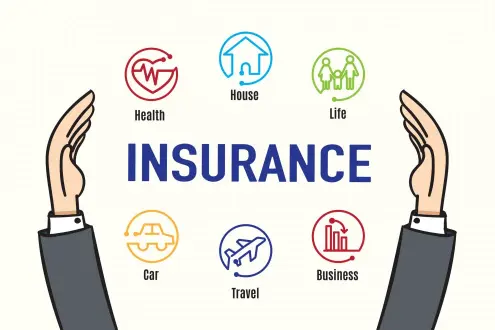
Life doesn’t come with guarantees, but good insurance is the next best thing.
Whether it’s your car, home, health, income, or business, a single unexpected event can wipe out years of savings. That’s where comprehensive insurance coverage comes in — not just one policy, but a custom mix of protections built around your actual life, not a generic template.
In this guide, we’ll walk through:
- What “comprehensive coverage” really means (beyond just car insurance)
- The core types of insurance most people should consider
- How to tailor coverage to your personal risks and goals
- Common mistakes that leave dangerous gaps
- A simple step-by-step process to design your own tailored plan
By the end, you’ll have a clear framework for building a coverage package that actually fits you.
What “Comprehensive Insurance Coverage” Really Means
When people hear “comprehensive insurance,” they often think of auto insurance, where “comprehensive” is a specific type of coverage for non-collision damage (like theft or hail).
But in a broader sense, comprehensive insurance coverage means:
A well-thought-out combination of policies that protects the major areas of your life from financial loss.
It’s not about buying everything under the sun. It’s about:
- Identifying what you can’t afford to lose
- Understanding the risks you’re exposed to
- Choosing coverages and limits that match those risks
- Avoiding duplication and waste
In other words, it’s complete where it matters, lean where it can be.
The Pillars of a Comprehensive Coverage Plan
Let’s break down the main types of insurance that often form a comprehensive package. You may not need all of them, but you should at least understand each one.
1. Auto Insurance
If you drive, auto insurance is usually required by law. A comprehensive approach typically includes:
- Liability coverage – pays for injuries or property damage you cause to others
- Collision coverage – pays for damage to your car from accidents
- Comprehensive coverage – pays for non-collision damage (theft, vandalism, fire, weather, etc.)
- Uninsured/underinsured motorist coverage – protects you if the other driver doesn’t have enough insurance
- Optional extras: roadside assistance, rental car reimbursement
Tailor it by:
- Adjusting liability limits based on your assets
- Deciding whether your car’s age/value justifies collision & comprehensive
- Choosing deductibles you can comfortably pay out of pocket
2. Homeowners or Renters Insurance
Your home is usually your biggest asset. Even if you rent, your belongings and liability need protection.
Homeowners insurance typically includes:
- Dwelling coverage – to repair or rebuild your home
- Personal property coverage – for your belongings (furniture, electronics, clothing, etc.)
- Liability coverage – if someone is injured on your property or you damage others’ property
- Additional living expenses – if you need to live elsewhere while your home is repaired after a covered loss
Renters insurance focuses on:
- Personal belongings
- Liability coverage
- Additional living expenses
Tailor it by:
- Insuring your home for its rebuild cost, not just its market value
- Choosing replacement cost for belongings if affordable (so you can buy new items, not just get depreciated value)
- Adding riders for high-value items like jewelry, art, or expensive electronics
3. Health Insurance
Health costs can be massive, even for minor issues. Health insurance is a core part of any comprehensive plan.
Typical components:
- Hospitalization (inpatient care)
- Outpatient care (doctor visits, tests, procedures)
- Emergency services
- Prescription coverage
- Sometimes dental and vision, or separate add-on plans
Tailor it by:
- Balancing premiums vs. out-of-pocket costs (deductibles, copays, and coinsurance)
- Considering your health status: frequent care vs. mostly preventive
- Checking network coverage for your preferred doctors and hospitals
For some people, a higher-deductible plan with lower premiums plus an emergency fund makes sense; for others, lower deductibles are worth the higher premiums.
4. Life Insurance
Life insurance is about protecting people who depend on your income.
Common types:
- Term life insurance – coverage for a fixed period (10, 20, 30 years). Usually offers high coverage at relatively low cost.
- Whole life / permanent life – lifelong coverage with a cash value component; more complex and more expensive.
Tailor it by:
- Estimating how much your family would need to:
- Replace your income for a number of years
- Pay off debts (like a mortgage)
- Cover children’s education
- Choosing a term length that matches your biggest responsibilities (until kids are grown, mortgage is paid off, etc.)
For many families, term life is the backbone of a comprehensive protection plan.
5. Disability Insurance
Your ability to earn an income is one of your biggest assets. Disability insurance protects you if illness or injury keeps you from working.
Two main categories:
- Short-term disability – covers shorter periods of inability to work
- Long-term disability – covers extended periods, sometimes until retirement age
Tailor it by:
- Looking at how long you could live on savings without income
- Checking if your employer already offers some coverage
- Choosing a benefit amount and duration that realistically supports your lifestyle
Many people overlook disability insurance, even though the risk of being unable to work for a while is higher than the risk of dying young.
6. Umbrella Liability Insurance
Umbrella insurance gives you extra liability protection on top of your auto and home policies.
Example: If your auto policy covers liability up to a certain amount and a serious accident costs more than that, an umbrella policy can kick in for the excess (up to its limit).
Tailor it by:
- Considering your net worth and income; the more you have, the more you have to protect
- Coordinating umbrella limits with your existing auto and home liability limits
It’s often relatively inexpensive for the amount of extra protection it provides.
7. Business and Professional Coverage (If Applicable)
If you run a business or work independently, you may need:
- General liability insurance – covers bodily injury/property damage claims tied to your business activities
- Professional liability / errors & omissions – for service-based or advisory work
- Business property coverage – for equipment, inventory, and premises
- Cyber insurance – if you handle customer data or rely heavily on digital systems
Tailor it by:
- Mapping specific risks in your industry (e.g., client lawsuits, data breaches, equipment loss)
- Matching limits to potential worst-case scenarios
How to Tailor a Comprehensive Insurance Plan to Your Life
Now that you know the major building blocks, let’s talk about practical tailoring — turning all these pieces into a plan that fits you.
Step 1: List What You Need to Protect
Start simple. Write down:
- People: spouse/partner, children, dependents
- Property: home, car(s), valuables, business assets
- Income: your current and future earning potential
- Lifestyle: education goals, retirement, debts, obligations
This gives you a clear picture of what is truly “mission-critical” in your life.
Step 2: Identify Your Biggest Risks
Ask yourself:
- What events would hit me hardest financially?
- Serious accident or illness
- House fire or major home damage
- Car totaled in a crash or stolen
- Lawsuit after an accident or injury
- Losing income for months or longer
Rank these in order of impact. The goal is to protect first against the most damaging risks, not necessarily the most likely ones.
Step 3: Match Insurance Types to Each Risk
For example:
- Risk: house fire → Solution: homeowners insurance with proper dwelling coverage
- Risk: serious illness → Solution: robust health insurance + possibly disability insurance
- Risk: dependents losing your income → Solution: life insurance
- Risk: lawsuit beyond standard limits → Solution: umbrella liability policy
This step helps you see gaps where you may have no or weak protection.
Step 4: Choose Coverage Limits and Deductibles
Now, fine-tune:
- Limits:
- Higher limits = more protection but higher premiums
- Aim for limits that realistically cover worst-case scenarios (especially for liability, where costs can escalate)
- Deductibles:
- Higher deductibles = lower premiums
- Pick deductibles you could comfortably pay from savings without causing financial chaos
This is where you balance cost vs. peace of mind.
Step 5: Avoid Overlap and Waste
When building a comprehensive plan, it’s easy to accidentally double up on coverage.
Examples:
- Roadside assistance included on both your auto policy and a credit card or auto club
- Rental car coverage duplicated via credit cards and insurance
- Extra travel insurance that mirrors protections you already have in health or credit card benefits
Review each policy and ask:
“Do I already have this benefit somewhere else?”
If yes, you might be able to trim a bit and save money.
Step 6: Revisit and Adjust Regularly
Comprehensive coverage isn’t a “set it and forget it” situation.
Review your plan when:
- You move
- You buy or sell a home or car
- You get married, divorced, or have a child
- You start or grow a business
- Your income significantly changes
Your coverage should evolve as your life does.
Common Mistakes When Building a “Comprehensive” Plan
Even with good intentions, people often make the same errors.
Mistake 1: Confusing “More Policies” with “Better Protection”
Buying every add-on doesn’t automatically mean you’re well-protected. You want relevant coverage, not just maximum everything.
Mistake 2: Underestimating Liability Risks
Many people carry the bare minimum liability coverage on auto or home policies. If you’re ever sued or held responsible for large damages, minimum limits can be exhausted quickly — leaving your personal assets exposed.
Mistake 3: Ignoring Income Protection
People often insure their car and phone but ignore disability or life insurance, even though losing your income is one of the biggest financial shocks you can face.
Mistake 4: Letting Policies Go Stale
A plan that fit you five years ago might be completely wrong today. Not updating coverage after life changes can lead to gaps, underinsurance, or paying for things you no longer need.
FAQs About Comprehensive Insurance Coverage
1. Do I really need all these types of insurance?
Not necessarily. The goal isn’t to collect policies, it’s to protect what matters most. You may prioritize auto, health, home, and at least some life insurance, then consider extras (disability, umbrella, business coverage) based on your situation.
2. Is comprehensive coverage always expensive?
It can be, but there are many ways to optimize cost, such as:
- Bundling policies with one insurer
- Raising deductibles where appropriate
- Removing overlapping coverage
- Taking advantage of discounts (safe driver, security systems, health programs, etc.)
A well-designed plan may cost less than you expect for the protection it offers.
3. How do I know if my coverage is enough?
Ask yourself:
- Could I handle a major event (like a serious accident or house fire) without being financially ruined?
- Would my family stay financially stable if I couldn’t work or if I died unexpectedly?
If the honest answer is “no” or “I’m not sure,” your coverage probably needs a review.
4. Should I design my plan alone or talk to an advisor?
You can absolutely start on your own — listing risks, comparing policies, and reading coverage details. But for more complex situations (business ownership, high net worth, multiple properties), a licensed advisor or broker can help fine-tune things and spot gaps you might miss.
Final Thoughts: Your Plan, Your Life, Your Protection
“Get comprehensive insurance coverage — tailored plans for every need” isn’t about fear, it’s about control.
You’re not just buying policies. You’re:
- Protecting your home
- Safeguarding your family
- Securing your income and future
- Reducing the stress of “what if”
Start by understanding your risks, then build a custom mix of coverages that fits your life, your goals, and your budget. Review it regularly, adjust as you grow, and you’ll have something many people never truly feel:
Real, grounded confidence that if life throws something big at you, you’re ready.